
Why a Plumbing Inspection Matters in a Real Estate Transaction
A general home inspection covers a lot of ground, but plumbing often gets a surface-level look. The inspector checks that faucets turn on, toilets flush, and there are no visible leaks. That is not enough to tell you what is really going on inside the walls, under the slab, or out in the yard.
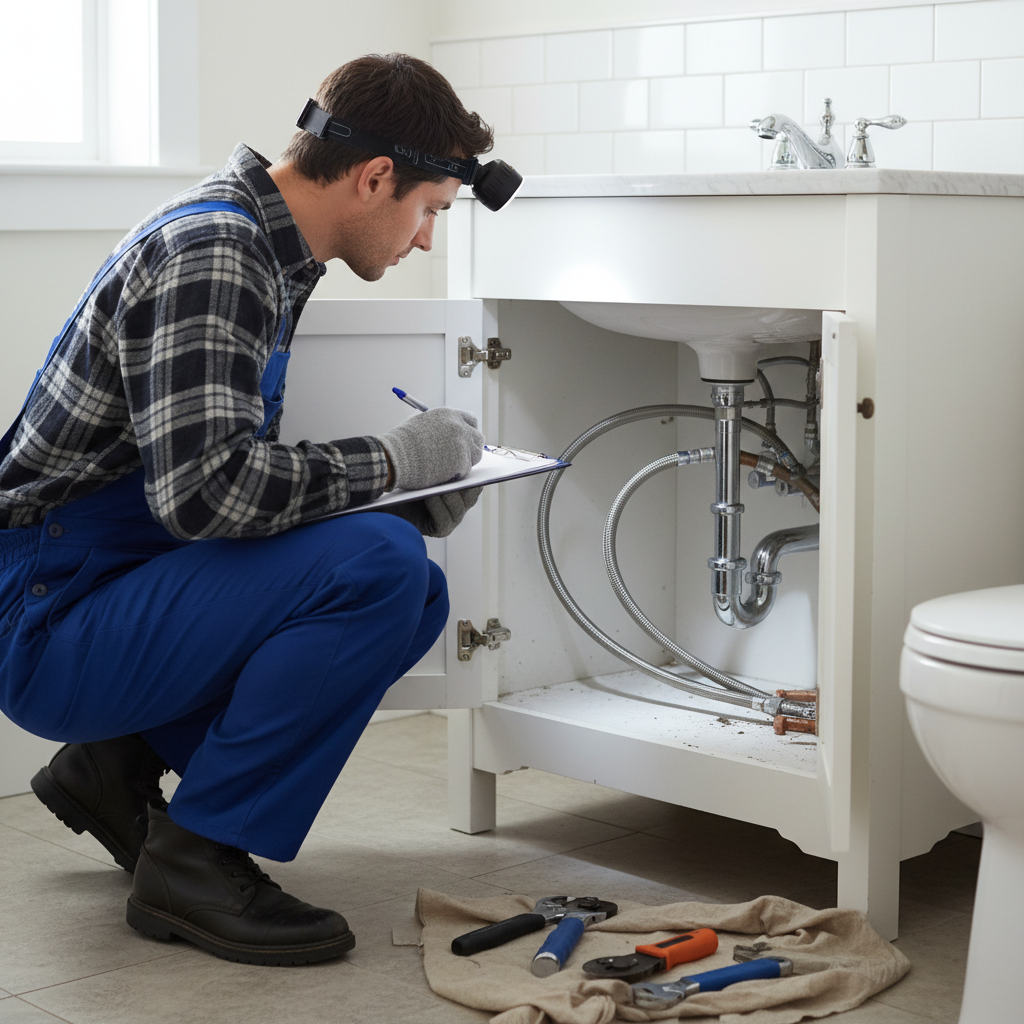
A dedicated plumbing inspection goes deeper. Here are the three main areas it covers.
1. The Water Supply System
The supply side brings fresh water into the home from the city main or a well. This includes the main water line, the shutoff valve, the pressure regulator, and all the supply pipes running to fixtures throughout the house.
What the Inspector Checks
Water pressure is the first thing we test. Normal residential pressure falls between 40 and 80 PSI. Too low means there could be a blockage, a failing pressure regulator, or corroded pipes restricting flow. Too high means the pressure regulator is bad, and that wears out fixtures and appliance connections faster than it should.
We check pipe material. Older Dallas-area homes may still have galvanized steel supply lines. These corrode from the inside out over time, restricting flow and eventually leaking. If you are buying a home with galvanized supply lines, budget for a repipe. It is not a matter of if they will fail, but when.
We also inspect the main shutoff valve and all fixture shutoffs. A valve that does not fully close is a real problem during an emergency.
Common Issues Found
Corroded galvanized pipes, leaking or seized shutoff valves, high water pressure with no regulator, and water heaters past their expected lifespan. In slab-on-grade homes, supply line leaks under the foundation are expensive to repair if not caught early.
2. The Drain and Sewer System
The drain side carries wastewater out of the home to the city sewer or a septic system. This includes all the drain pipes inside the home, the main sewer line running out to the street, and the cleanout access points.
What the Inspector Checks
We run a sewer camera through the main line. This is the most important part of a real estate plumbing inspection. The camera shows us the condition of the pipe from the house to the city connection. We are looking for root intrusion, cracks, bellies (low spots where water pools), offsets at pipe joints, and signs of collapse.
Inside the home, we check drain flow at every fixture. Slow drains can indicate a partial blockage further down the line. We also look for signs of past sewer backups like water stains in the lowest areas of the home.
Common Issues Found
Tree roots growing into clay or Orangeburg sewer lines, bellied pipes that cause recurring backups, cracked cast iron drain lines under the slab, and missing cleanout access. In older neighborhoods across Dallas and Carrollton, original sewer lines from the 1960s and 1970s are reaching the end of their useful life.
3. Fixtures and Appliances
This covers every water-using fixture and appliance in the home: faucets, toilets, showers, bathtubs, water heater, dishwasher connections, washing machine hookups, and the garbage disposal.
What the Inspector Checks
Each fixture is tested for proper function. Faucets are checked for leaks at the handle, base, and supply connections. Toilets are checked for tank leaks, bowl stability, and proper flush performance. Showers and tubs are tested for drain speed and checked for tile or caulk failures that could let water into the wall cavity.
The water heater gets a close look. We check the age, the T&P relief valve, the gas connections or electrical wiring, and whether the unit is properly vented. A water heater older than 10 to 12 years is a ticking clock.
Common Issues Found
Running toilets, leaking faucet supply connections, aging water heaters with no expansion tank, rubber washing machine hoses ready to burst, and showers with deteriorated caulk letting moisture behind the walls.
What a Plumbing Inspection Costs
A plumbing inspection with a sewer camera typically runs between $250 and $450 in the DFW area, depending on the size of the home and accessibility of the sewer cleanout. That investment can save a buyer thousands by catching problems before closing. For sellers, getting an inspection done before listing gives you the chance to fix issues on your terms instead of negotiating under pressure.
Get It Inspected Before You Sign
Cole's Plumbing provides real estate plumbing inspections for buyers, sellers, and agents across Dallas, Carrollton, and the surrounding DFW area. Chad Cole is a Responsible Master Plumber (RMP-40414) with over two decades of experience. We will tell you exactly what we find so you can make an informed decision. Call or text (972) 210-9033 to schedule an inspection.