How Galvanized Pipes Fail
Galvanized steel pipes were the standard in homes built from the 1940s through the 1980s. They're steel pipes coated in zinc to prevent rust, but the zinc wears off over time. Once it does, the steel corrodes from the inside out.
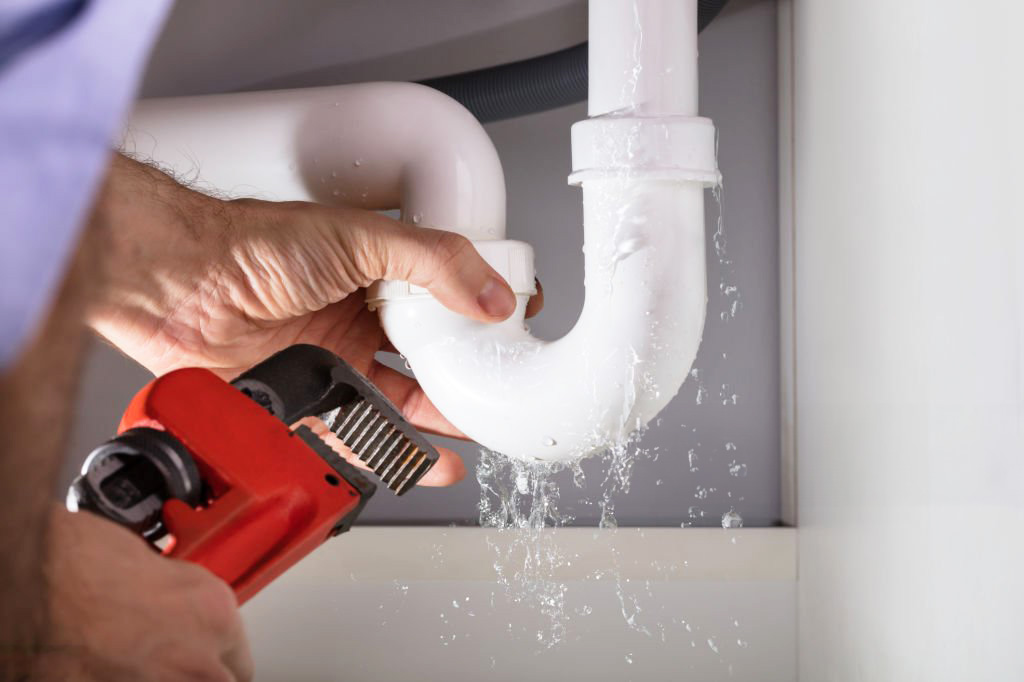
You won't see the corrosion because it's hidden inside the walls. What you will notice is gradually declining water pressure, discolored water, and eventually pinhole leaks that cause water damage.
Signs You Need a Repipe
If your home has galvanized pipes and you're experiencing any of these, it's time to start planning:
- Water pressure drops noticeably when multiple fixtures run at the same time
- Brown or yellow water when you first turn on a faucet
- Pinhole leaks appearing in different parts of the house
- Visible corrosion on exposed pipes in the garage or utility closet
- Your home was built before 1990 and still has original plumbing
PEX vs Copper: Which Is Right for Your Home
We install both PEX and copper. PEX is flexible, freeze-resistant, and faster to install, which means lower labor costs. Copper is the traditional choice, lasts 70 or more years, and some homeowners prefer it for resale value.
For most DFW homes, we recommend PEX. It handles our temperature swings well, won't corrode, and costs less than copper for a full repipe. But we'll walk you through both options so you can choose what makes sense for your situation.
What the Process Looks Like
A typical whole-house repipe takes 2 to 3 days. On day one, we open access points in walls and ceilings, run new lines, and connect fixtures. Day two, we finish connections, test everything, and patch access holes. Some homes need a third day for larger layouts or if we're replacing drain lines too.
You'll have water most of the time. We work section by section and only shut off water to the area we're actively connecting. We also protect your floors and furniture throughout the job.
Cost and Insurance Considerations
Repipe cost varies a lot depending on home size, pipe material, layout, and how accessible the lines are. There's no honest ballpark we can give without seeing the house. What we can tell you is that repeated leak repairs and water damage restoration typically cost more over time than doing the repipe once.
Most homeowner's insurance policies don't cover gradual pipe deterioration. They'll cover sudden burst damage, but not the pipe replacement itself. Repiping proactively protects you from an uninsured catastrophe.