
A water bill that goes from $80 to $180 overnight and nothing changed in how the household uses water. This is a common call. In almost every case, the answer is a leak, and in most cases, it's a specific type of leak that shows up again and again in North Texas homes.
Here are the 7 most common causes, in order of how frequently we find them on service calls across Carrollton, Plano, Frisco, and the rest of northern DFW.
1. Running Toilet (Most Common by Far)
A flapper that doesn't fully seat allows the toilet to continuously refill. Silently. You can't hear it, but a running toilet can waste 200 gallons per day. That's 6,000 gallons in a month, which adds $30 to $60 to a typical Dallas Water Utilities bill depending on your rate tier.
The test: drop a few drops of food coloring into the toilet tank and wait 15 minutes without flushing. If color appears in the bowl, your flapper is leaking. A replacement flapper is $8 at the hardware store. If the flapper was replaced recently and it's still running, the issue might be the fill valve or the overflow tube height. A toilet repair service call covers all of it.
2. Slab Leak
A leak in the copper or galvanized supply lines running under your concrete foundation can bleed thousands of gallons per month directly into the soil. You often won't see water on the surface until the leak has been running for weeks or months.
The signs in combination: water bill spike, warm spot on the floor (hot water line leak), sound of water running when everything is off, soft or damp carpet near a wall, or foundation cracks that appeared alongside the bill increase.
North Texas clay soil accelerates slab leak probability. The constant expansion and contraction stresses copper pipe joints. Homes built in the 1970s and 1980s with original copper supply lines under the slab are the highest-risk category. For more on identifying slab leaks specifically, read our slab leak warning signs guide.
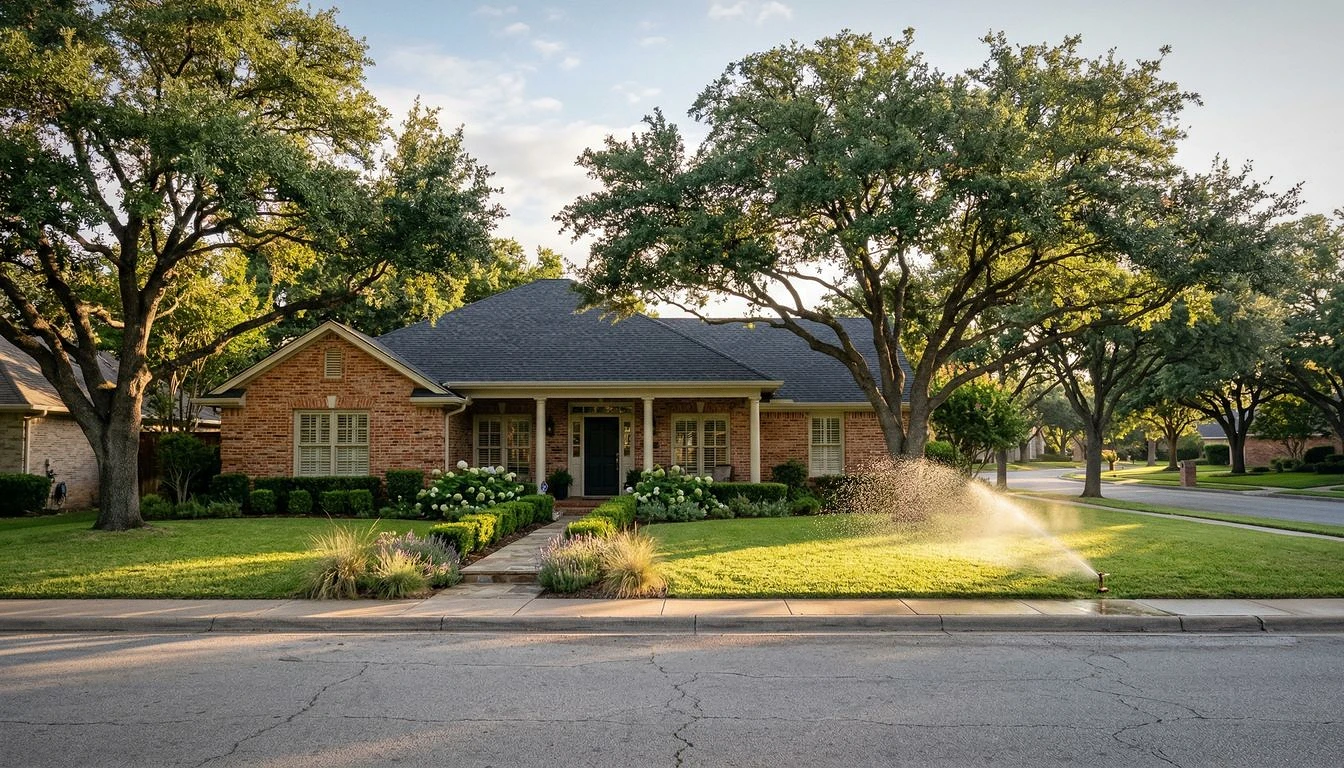
3. Irrigation System Leak
A single broken sprinkler head running for 20 minutes, three times a week, adds up fast. A cracked irrigation line can run continuously if the zone valve fails in the open position. We've seen irrigation leaks that didn't surface to the lawn but tracked back through the plumbing and spiked the meter.
Check your irrigation controller after a bill spike. Turn each zone on manually for 2 minutes and walk the yard. Soggy areas, standing water, or a zone that won't pressurize are all clues. Also check the backflow preventer assembly near the meter for dripping.
4. Water Heater Pressure Relief Valve Dripping
The T&P (temperature and pressure) relief valve on your water heater is a safety device that opens if tank pressure gets too high. A valve that drips constantly, even slowly, discharges into the discharge pipe and often straight to a floor drain where you won't see it but the meter will.
If your water heater has a T&P valve that is more than 6 years old and the bill spiked, have it inspected. A dripping T&P can waste 50 to 100 gallons per day and it also indicates the pressure in the system may need correction.
5. Faucet Dripping Inside a Cabinet
A slow drip under a kitchen or bathroom sink that collects in a drain bucket or just runs into the cabinet floor goes unnoticed for months. A single faucet dripping at 1 drop per second wastes about 3,000 gallons per year. Not huge, but in combination with a toilet running and an irrigation leak, it adds up.
Check under every sink. Look for water stains on cabinet floors, mineral deposits around the drain, or soft spots in the cabinet base. If a faucet repair is overdue, fix it now. At current Dallas water rates, a dripping faucet costs $15 to $30 per month depending on volume.
6. Water Softener or RO System Cycling Constantly
A malfunctioning water softener regeneration cycle that gets stuck open can flush water to drain continuously. A reverse osmosis system with a failed auto-shutoff valve does the same. These run to the drain line directly, so there's no visible water anywhere in the house, but the meter spins.
If you have a water softener, check the brine tank. If it's overflowing or feels empty when it shouldn't be, the regeneration timer or valve may be stuck. Call the manufacturer or a plumber who services water treatment equipment.
7. Main Water Line Leak Between Meter and House
The section of supply line between your meter at the curb and your foundation is your responsibility, not the city's. A crack or joint failure in this line loses water before it enters the house, so no fixtures inside the home are running, but the bill climbs.
The test: shut off the main shutoff valve at the house (not the meter, the house valve) and watch the meter dial for 10 minutes. If the meter continues moving with the house shut off completely, the leak is between the meter and the house. This requires water line repair by a licensed plumber. In DFW, this often runs $800 to $2,500 depending on how deep the line is and how much yard disruption is needed.
Seasonal Patterns: When DFW Water Bills Spike for Non-Leak Reasons
Before calling a plumber, it's worth ruling out legitimate seasonal increases. Dallas Water Utilities and most North Texas city utilities use tiered rate structures where usage over a base tier costs significantly more per thousand gallons.
Irrigation season is the most common culprit. A lawn irrigation system running 3 days per week from May through September can add 30,000 to 60,000 gallons per month to a typical DFW household. If the bill spike aligns with irrigation season starting, check the controller schedule before assuming a leak.
Pool filling is another one. A standard 15,000 gallon pool fills to a one-time bill spike of $60 to $90 at DFW rates. Evaporation and splash loss during summer can add 1,000 to 2,000 gallons per week in refill.
If neither of those applies and the spike came with no behavior change, it's a leak.
How to Read Your Dallas Water Meter
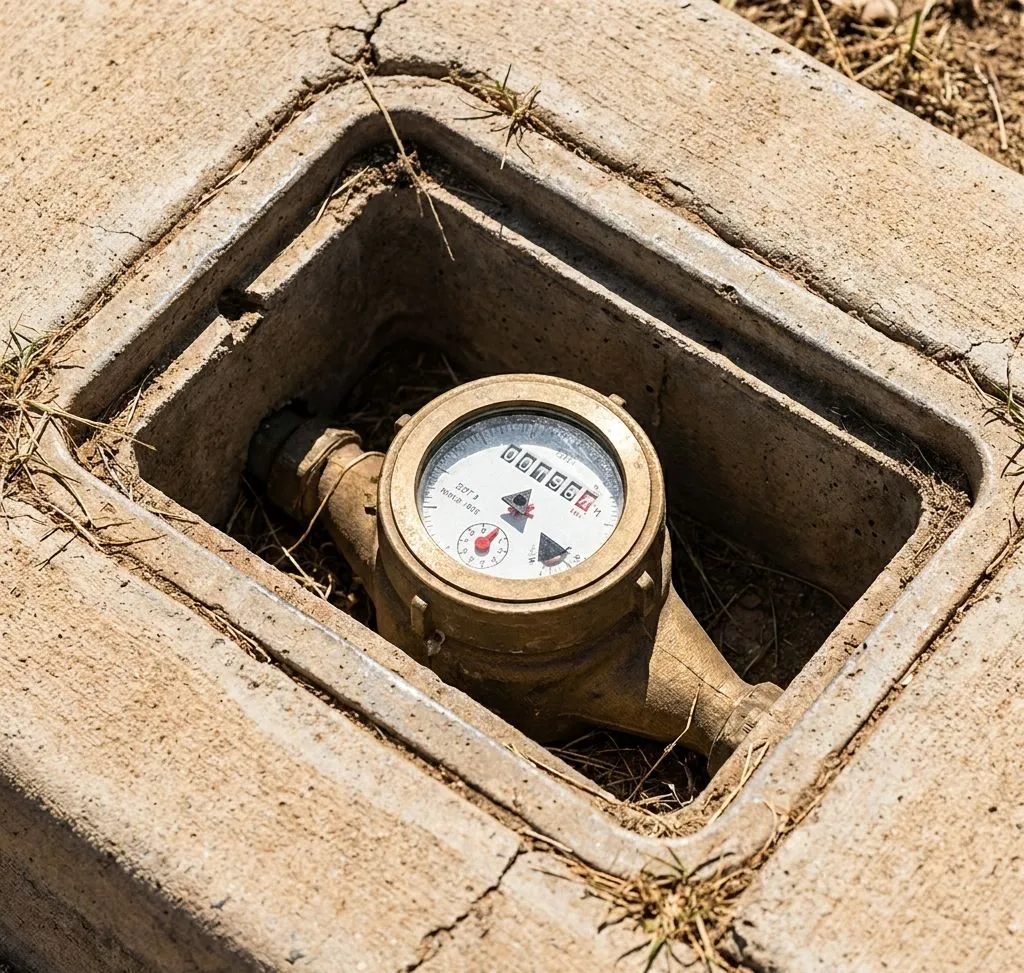
Most Dallas Water Utilities and city meters in Carrollton and Plano have a low-flow indicator, a small triangle or dial that spins even on tiny flow rates. Locate your meter at the curb, lift the lid, and watch the indicator for 1 to 2 minutes with all fixtures off and no appliances running. Any movement means water is flowing somewhere.
If you're in Carrollton or Plano and want help tracking down an unexplained high bill, that's a standard part of our diagnostic service call. We walk the house systematically, starting with the easiest checks (toilet, meter read) and working to the harder ones (slab, main line).
What a High Water Bill Leak Repair Actually Costs
The cost to fix a high water bill depends entirely on what's causing it. Range across the most common repairs:
- Running toilet (flapper replacement): $150 to $250 service call and part. If it's a fill valve or flush valve, $200 to $400.
- Slab leak detection and spot repair: $800 to $3,500 depending on access and depth. Reroute option $1,500 to $4,500.
- Main water line repair or replacement: $800 to $4,500 depending on length and depth of the run.
- Water heater T&P valve replacement: $150 to $300.
- Faucet repair: $150 to $400 depending on the fixture and parts needed.
- Irrigation backflow preventer repair: $250 to $600.
If you're not sure where the leak is, the service call is the starting point. We do a systematic check and tell you what we find before recommending a repair. That call fee applies toward any work you approve with us.
Frequently Asked Questions
How much does a leak need to run to double my water bill? At DFW water rates, you're typically paying around $3 to $5 per 1,000 gallons in the lower tiers. A 200 gallon per day leak (running toilet level) adds about 6,000 gallons per month, which adds $18 to $30 to the bill. A slab leak losing 500 gallons per day can add $50 to $90 per month. Bigger leaks, bigger spikes.
Will the city credit me for a leak? Dallas Water Utilities and most North Texas cities do offer a one-time leak adjustment credit if you fix a verified leak and provide a plumber's repair receipt. It's not automatic. You have to apply. Ask your water utility customer service for the leak credit application.
Does homeowner's insurance cover water damage from a sudden leak? Sudden and accidental water damage is typically covered. Slow leaks that caused gradual damage are typically excluded. If you find a major slab leak or main line break, document it as quickly as possible and contact your adjuster.
How do I know if my toilet is running silently? The food coloring test described above works reliably. You can also put your hand on the back of the toilet tank and feel for vibration, which indicates water movement even when the fill valve should be closed.
Can I do anything on my own before calling a plumber? Check all toilets with the dye test. Walk the irrigation zones. Look under every sink. Check the floor around the water heater. Those four checks cover the most common causes and take about 20 minutes. Anything you can't find after that warrants a plumber service call.